Understanding NAS: What It Is and How It Works
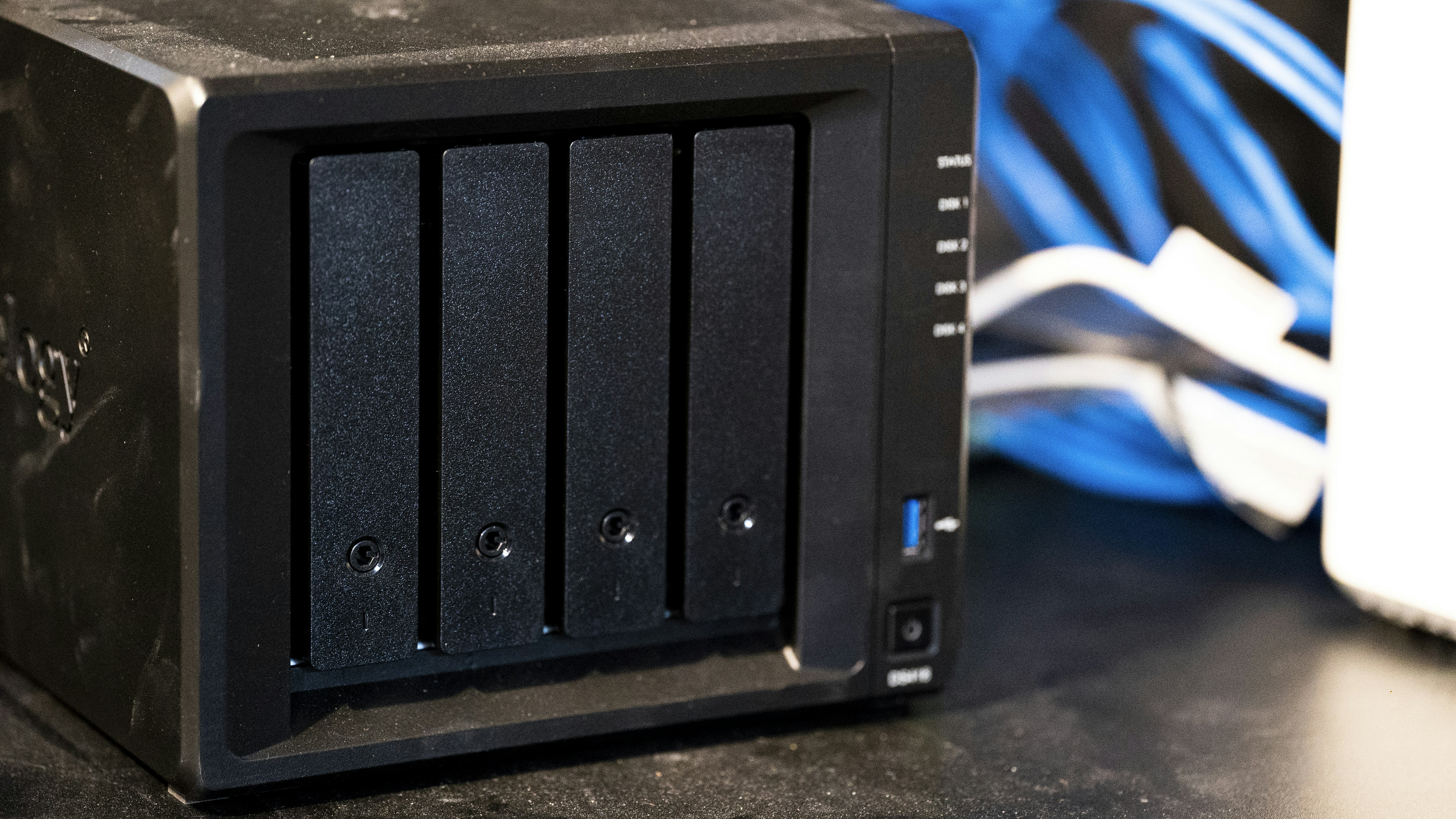
Network Attached Storage (NAS) is a specialized file storage device that offers an efficient way to store and share data across a network. Unlike traditional direct-attached storage, which physically connects to a single computer, NAS allows multiple users and devices to access files simultaneously. This centralized approach not only streamlines data management, but also improves accessibility and collaboration, making it a popular choice for both personal and business purposes.
The architecture of NAS systems is composed of several key hardware components, including one or more hard drives, a network interface, and a dedicated operating system. The drives are typically housed in a compact enclosure, which can vary in size depending on the capacity and needs of the user. Some NAS devices are designed for specific functions, ranging from simple file sharing to more complex applications such as media streaming or advanced data backup solutions.
On the software side, NAS systems employ a user-friendly interface that simplifies file management. Users can easily configure permissions, create shared folders, and set up automated backup routines. The software often includes additional features like data encryption, user access controls, and compatibility with various applications, enhancing overall functionality.
When comparing NAS to other storage solutions, notable differences emerge. For instance, traditional file servers require a dedicated machine and often involve a more complex setup and maintenance regime. Direct-attached storage (DAS), on the other hand, limits file sharing to a single device, hindering collaboration. NAS systems address these limitations, presenting a scalable, flexible, and user-friendly alternative suitable for a diverse range of applications.
Overall, the versatility and efficiency of Network Attached Storage make it an essential tool for modern data management. Whether for personal use or business needs, understanding how NAS works can significantly enhance your storage strategy.
Benefits of NAS for Personal Users
Network-Attached Storage (NAS) devices have gained popularity among individual users due to their myriad advantages. One of the primary benefits of NAS for personal users is enhanced data accessibility. With a NAS device, files can be accessed from various devices such as smartphones, tablets, and computers, all within a home network, or even remotely over the internet. This versatility ensures that users can retrieve important documents or media files whenever needed, thereby facilitating a more efficient workflow.
Furthermore, NAS devices significantly simplify the process of file sharing among family members. Instead of relying on physical storage means or sending files via email, individuals can store their data on a central NAS system and grant access to others. This feature is particularly useful in households where multiple users may need to access shared documents, photos, or videos. Families can collaborate seamlessly, whether it’s working on a school project or curating shared vacation memories.
Another compelling benefit of NAS devices is their capacity for automatic backups. Many NAS models come equipped with backup utilities that can automate the process of data safeguarding, ensuring that personal data is regularly saved without manual intervention. This feature serves as a safeguard against potential data loss due to hardware failures or accidental deletions, providing users with peace of mind.
Additionally, NAS devices excel in media streaming capabilities. Users can store all their audio, video, and photo libraries in one accessible location and stream this content to various devices throughout their home. For instance, a family can enjoy watching a movie stored on their NAS device on a smart TV or listen to music via a home audio system, enhancing their entertainment experience.
In summary, NAS devices provide significant advantages for personal users, including improved data accessibility, simplified file sharing, automatic backups, and enhanced media streaming functionalities. By integrating a NAS into personal data management, users can enjoy a more organized and streamlined approach to both data storage and entertainment.
NAS for Small and Medium Businesses: A Game Changer
The adoption of Network Attached Storage (NAS) devices has increasingly reshaped the landscape of data management for small and medium-sized enterprises (SMEs). These solutions facilitate streamlined collaboration, enabling teams to access and share files efficiently across various locations. By centralizing data storage, businesses can optimize their workflows and improve productivity. This feature is particularly vital in today’s remote working environment, where employees often rely on consistent and timely access to shared resources.
Moreover, the integrated backup solutions that come with NAS devices enhance data security significantly. SMEs often face challenges in data protection due to limited IT budgets and resources. With NAS systems, businesses can implement automated backups and redundant data storage options, ensuring that critical information is preserved. This setup not only minimizes the risk of data loss but also instills confidence among employees and stakeholders regarding the integrity of sensitive information.
Scalability is another compelling aspect of NAS solutions that makes them attractive to SMEs. As businesses grow, their data storage needs inevitably expand. NAS devices can be easily upgraded to accommodate increased storage requirements without necessitating a complete overhaul of existing systems. This flexibility allows companies to invest progressively, aligning their storage capacity with their growth trajectory.
Numerous case studies highlight the successful implementation of NAS within SMEs. For instance, a local marketing firm adopted a NAS solution to centralize its creative assets and client files, resulting in a 30% increase in project turnaround time. Another example involves a small accounting practice that integrated NAS to streamline its financial records management, which greatly enhanced its operational efficiency and reduced the time spent on administrative tasks. These examples illustrate the transformative potential of adopting NAS solutions, affirming their status as a game changer for small and medium businesses.
Choosing the Right NAS Device: Key Considerations
When it comes to selecting the appropriate Network Attached Storage (NAS) device, a variety of important factors should be considered to ensure it meets your needs—whether for personal use or business operations. One of the first aspects to evaluate is storage capacity. Depending on your requirements, you’ll need a NAS model that can hold sufficient data. Options generally range from a couple of terabytes to several petabytes, which can accommodate everything from personal photos and videos to large-scale business databases.
Next, consider data redundancy options, which provide security for your information. Most NAS devices offer RAID (Redundant Array of Independent Disks) configurations, ensuring that your data is not lost in the event of a hard drive failure. These configurations can vary in complexity and effectiveness, so understanding your specific data vulnerability is crucial. Additionally, some devices offer cloud backup capabilities, ensuring that your information is not only retained locally but also available off-site.
Performance metrics of the NAS device are also critical. The speed at which data can be read and written is influenced by the device’s processor, RAM, and the type of hard drives used. If you’re planning on transferring large files frequently or using the NAS for high-demand applications, ensure the specifications align with those needs.
Ease of use is essential, especially for those who may not be technically savvy. A user-friendly interface with clear setup instructions and management tools can significantly enhance your experience. Furthermore, consider additional features such as mobile access and cloud integration, which can provide flexibility and remote operations. This is particularly useful for businesses where mobile access can enhance productivity.
Lastly, performing a comparison of popular NAS models will provide insights into your options. This approach can help identify the best device that balances all these considerations while fulfilling your unique storage requirements.