Understanding Business Monitors
Business monitors refer to specialized display screens designed for professional environments, significantly contributing to work efficiency and productivity. These monitors are engineered to meet the demands of various business tasks, ranging from simple document editing to complex graphic design and data analysis. Their primary purpose is to provide a reliable and high-quality visual experience that enhances workflow and minimizes eye strain.
There are several types of business monitors available, each optimized for specific professional needs. For example, LED and LCD monitors are among the most common, known for their vibrant color reproduction and energy efficiency. LED monitors utilize light-emitting diodes to enhance brightness and contrast, making them suitable for tasks requiring accurate color representation. On the other hand, LCD monitors, which use liquid crystals, are typically more cost-effective while still offering decent visual performance.
Among the various offerings, ultrawide monitors have gained popularity in recent years, providing expanded screen real estate that allows users to multitask more effectively. These monitors can replace dual-monitor setups, offering seamless viewing experiences and improved workflow by minimizing the need to switch between different screens. In addition to the size, business monitors are available in various resolutions, ranging from Full HD to 4K and beyond, catering to diverse needs depending on the tasks at hand.
When selecting a business monitor, users should consider specifications such as refresh rate, response time, and connectivity options. Higher refresh rates can contribute to smoother visuals, crucial for graphics-intensive applications. A monitor’s ergonomics, including adjustable stands and eye-care technologies, are also important features that enhance user comfort during long work sessions. Overall, the right business monitor plays a pivotal role in creating an efficient working environment, tailored to enhance productivity and meet the specific demands of various professional tasks.
Benefits of Using Business Monitors for Productivity
In the contemporary workplace, the integration of business monitors plays a pivotal role in enhancing productivity. One of the most significant advantages of utilizing these monitors is the improvement in screen real estate. By providing more display space, business monitors allow employees to effectively organize their work environment. This expanded visibility facilitates better multitasking, enabling users to work on different applications simultaneously without the need to constantly switch tabs or windows.
Furthermore, the use of dual or multiple monitors is becoming increasingly common as it significantly boosts productivity. Employees can have multiple applications or documents open side by side, which not only saves time but also enhances focus. The ability to compare documents or manage tasks in real-time is invaluable, especially in fast-paced business operations where efficiency is key.
Another noteworthy benefit of business monitors is the reduction of eye strain. Many modern business monitors come equipped with advanced technologies designed to minimize blue light emissions and flicker, which can be detrimental to eye health over prolonged periods of use. By reducing these factors, employees can enjoy longer work hours without the usual fatigue associated with traditional screens.
Screen quality and resolution are also paramount when discussing business monitors. High-definition displays deliver clearer images, sharper text, and more vivid colors. This improved visual experience can lead to enhanced concentration and comprehension, further contributing to overall productivity. When employees can view details more clearly, they are more likely to produce high-quality work efficiently.
In conclusion, the benefits of using business monitors for productivity are manifold. From enhanced screen real estate and multitasking capabilities to reduced eye strain and improved display quality, these tools are essential in fostering a more productive work environment. Investing in proper business monitors not only elevates individual performance but also supports the broader objectives of organizational efficiency.
Choosing the Right Monitor for Your Work Needs
Selecting the appropriate business monitor is a fundamental step in enhancing work efficiency across various professional environments. Key factors such as screen size, resolution, refresh rate, color accuracy, ergonomics, and connectivity options all play a significant role in making an informed decision.
When assessing screen size, it is essential to consider the space available on your desk and how far you will be sitting from the monitor. A larger screen may facilitate multitasking by allowing multiple windows to be viewed simultaneously, while a smaller monitor may be sufficient for focused tasks.
Next, resolution is crucial for clarity and detail in visuals. Full HD (1920×1080) is often the minimum standard for business tasks, but higher resolutions, such as 4K (3840×2160), are becoming increasingly popular for tasks requiring precise detail, such as graphic design or data analysis.
Refresh rate, measured in hertz (Hz), influences how smoothly motion is presented. A higher refresh rate is typically beneficial for gaming or videography but can also be advantageous for reducing eye strain by providing a smoother viewing experience during tasks that involve rapid movements.
Color accuracy is particularly important for professionals engaged in design, photography, or any field where visual fidelity is paramount. Look for monitors that cover a wide color gamut and have calibration features to ensure displays are true to life.
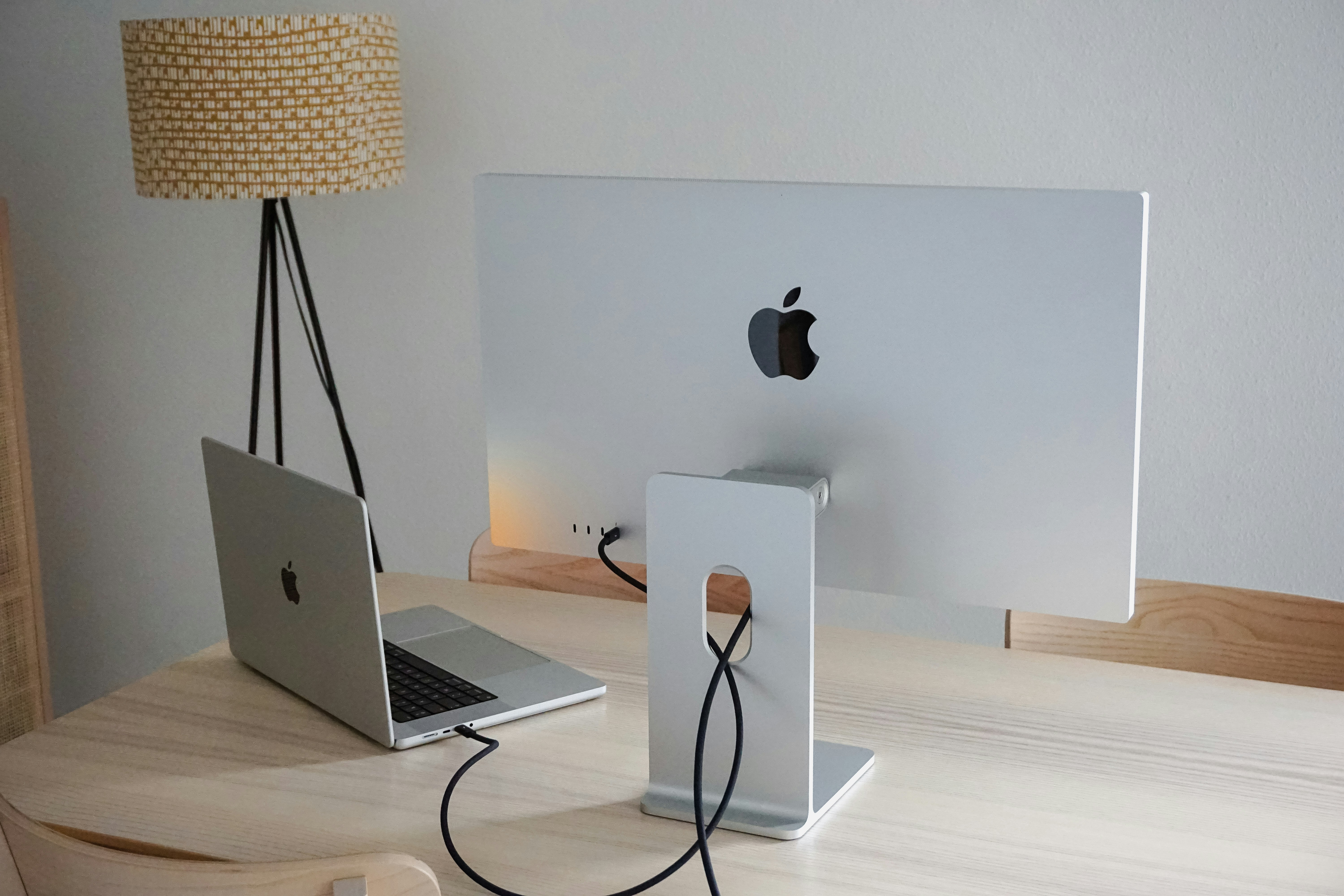
Ergonomics cannot be overlooked, as prolonged use of monitors can lead to discomfort or strain. Consider options with adjustable height, tilt, and swivel functions to promote a more natural viewing position.
Finally, connectivity options are integral, ensuring that the monitor can seamlessly integrate with existing hardware. Look for compatibility with standard ports such as HDMI, DisplayPort, and USB-C, which can facilitate connections to laptops and docking stations.
In summation, choosing the right monitor involves a balance of these critical factors to align with specific work needs, ultimately leading to improved productivity and comfort in the workplace.
Best Business Monitors in the Market
When selecting a business monitor, it is crucial to consider various factors such as screen size, resolution, ergonomics, and connectivity options. Here, we review some of the top business monitors available today, catering to diverse budgets and requirements.
One notable option is the Dell UltraSharp U2720Q, featuring a 27-inch 4K UHD display. This monitor boasts a high color accuracy and extensive connectivity ports, including USB-C. Its ergonomic design allows for easy height and tilt adjustments, making it suitable for extended work sessions. The high resolution ensures that text remains sharp, an essential factor for professionals who spend considerable time on documentation and presentations.
Another excellent choice is the HP EliteDisplay E273q. This model offers a 27-inch QHD screen that is both vibrant and responsive. It comes equipped with multiple ports, including HDMI and DisplayPort, facilitating seamless connections with various devices. Additionally, the EliteDisplay is designed with an anti-glare panel, which minimizes eye strain in well-lit office environments. Its adjustable stand provides flexibility for different viewing angles, enhancing overall comfort during use.
For those on a tighter budget, the ASUS ProArt PA248QV provides exceptional value. This 24-inch monitor delivers a resolution of 1920 x 1200, making it a solid option for graphic designers and content creators. With pre-calibrated color accuracy and multiple connectivity options, including USB, it caters well to professionals seeking performance without breaking the bank. Its flicker-free backlighting makes it suitable for long working hours, reducing the risk of eye fatigue.
Lastly, the LG UltraWide 29WN600-W is a unique option that offers a 29-inch curved screen. This monitor provides ample workspace with a 21:9 aspect ratio, ideal for multitasking. Featuring FreeSync technology for smooth visuals and an ergonomic design that allows for adjustments, it is well-suited for dynamic work environments. The ultra-wide format can enhance productivity by enabling users to have multiple applications open simultaneously.
Each of these monitors has its features, pros, and cons, making them suitable for various professional needs. Understanding these differences is essential for making an informed decision when purchasing a business monitor.