
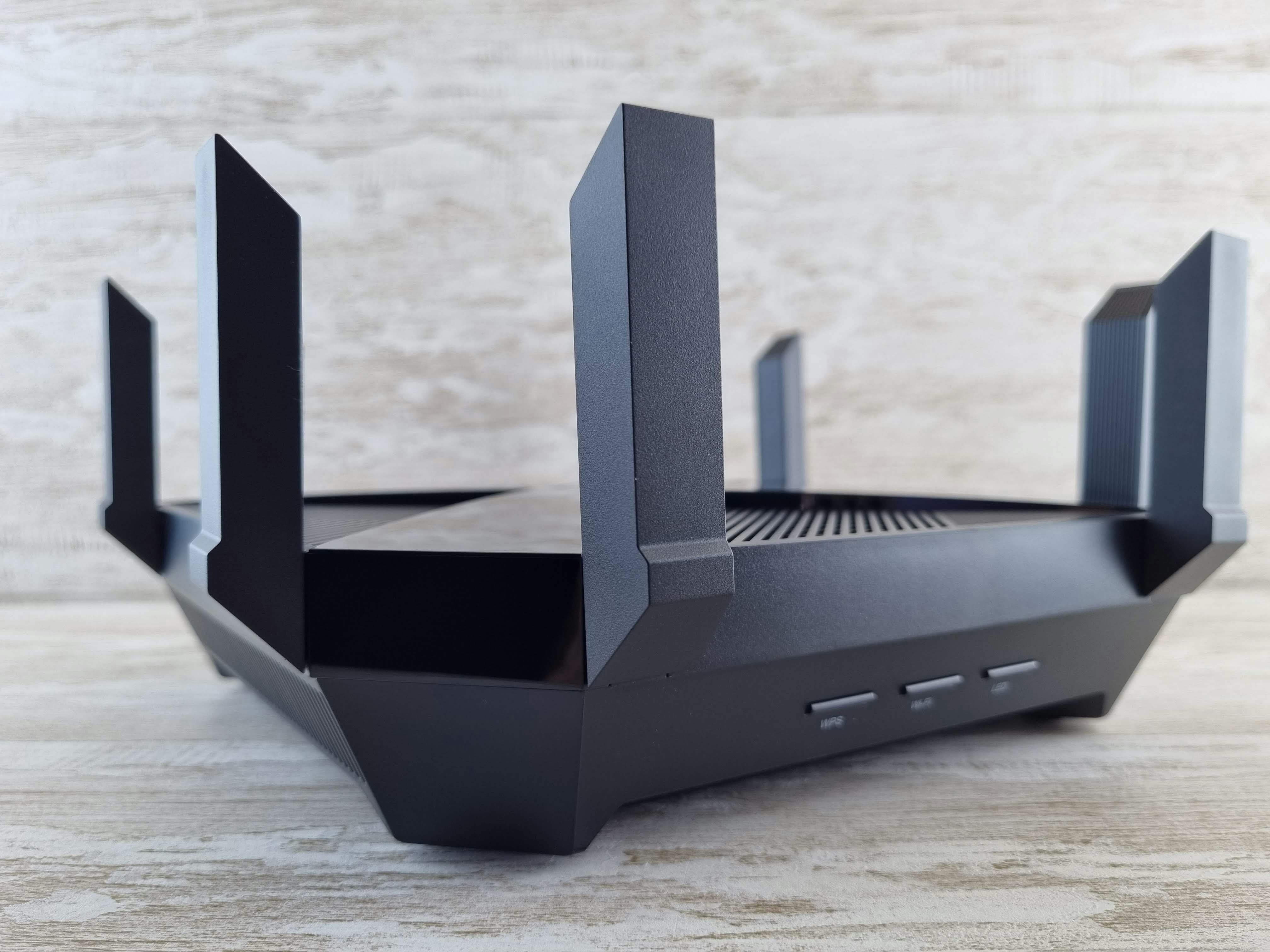
What is Wi-Fi 7 and How Does It Work?
Wi-Fi 7, also known as 802.11be, represents the next evolution in wireless networking technology, building significantly upon the foundations laid by its predecessors. One of its standout features is the ability to offer higher data rates, which are expected to reach up to 30 Gbps under optimal conditions. This advancement is largely attributed to the implementation of Orthogonal Frequency Division Multiple Access (OFDMA), a technology that enhances the network’s capacity and efficiency by allowing multiple users to transmit and receive data simultaneously. By dividing channels into smaller sub-channels, OFDMA optimizes data transmission, offering a smooth experience even during heavy network usage.
Another critical advancement in Wi-Fi 7 is the incorporation of 4K Quadrature Amplitude Modulation (QAM). QAM enhances the amount of data that can be transmitted over a wireless connection by modulating the amplitude and phase of a signal. The shift from 1024-QAM used in Wi-Fi 6 to 4K QAM in Wi-Fi 7 increases the bits per symbol, enabling more data to be packed into the transmission. This enhancement results in faster speeds and more reliable connections, crucial for applications demanding high bandwidth such as streaming 4K video or online gaming.
Furthermore, Wi-Fi 7 introduces multi-link operation, a feature that allows devices to connect simultaneously to multiple bands (2.4 GHz, 5 GHz, and 6 GHz). This capability not only reduces latency but also ensures that devices maintain stable connections, optimizing performance even in congested environments. By dynamically selecting the best paths for data transmission, multi-link operation enhances overall network efficiency, providing an elevated user experience.
As Wi-Fi 7 networks begin to roll out, understanding these technical advancements becomes essential for users intent on maximizing their networking capabilities. The upcoming generation of routers will harness these features, allowing for unparalleled connectivity in both residential and commercial settings.
Benefits of Upgrading to Wi-Fi 7 Routers
The advent of Wi-Fi 7 routers represents a significant leap forward in the realm of wireless networking, bringing with it an array of benefits that can greatly enhance both home and business environments. One of the most notable advantages of transitioning to Wi-Fi 7 is the substantial increase in speed. This improvement allows for smoother streaming of high-definition content and a more responsive experience in online gaming. With download and upload speeds reaching unprecedented levels, users can enjoy uninterrupted connectivity, crucial for tasks requiring real-time data transfer.
Moreover, Wi-Fi 7 routers are designed to better support multiple connected devices. In today’s digital age, households and enterprises alike are filled with an assortment of gadgets—from smartphones and tablets to laptops and smart home devices. The advanced technology behind Wi-Fi 7 enables it to effectively manage a high volume of simultaneous connections without a detrimental impact on performance. This capability is particularly beneficial for environments where many devices are constantly competing for bandwidth.
In addition to speed and device support, Wi-Fi 7 routers offer improved signal coverage. The enhanced range provided by this new generation of routers ensures that users experience consistent connectivity even at greater distances from the router. This means that users can enjoy a stable internet connection in every corner of their home or office, removing the worry of dead spots and poor signal strength. Collectively, these advantages make the shift to Wi-Fi 7 a compelling option for anyone looking to optimize their networking experience.”}
Choosing the Right Wi-Fi 7 Router: Key Features to Consider
When it comes to selecting a Wi-Fi 7 router, several critical factors should guide your decision-making process. Understanding these factors is essential, as they will ensure you choose a device that aligns with your specific networking requirements.
The first consideration is the range of the router. Wi-Fi 7 routers are designed to provide extensive coverage, but the actual range can vary greatly among models. It is crucial to assess the size of the area in which you will be using the router. If you have a larger home or usage needs that extend beyond typical settings, look for routers known for superior coverage and penetration capabilities to ensure a stable connection in all corners of your space.
Next, the number of ports offered by the router deserves attention. If you plan to connect multiple wired devices such as gaming consoles, desktop computers, or smart home gadgets, the number of available Ethernet ports becomes vital. Some Wi-Fi 7 routers come with additional USB ports that can facilitate file sharing or media streaming, enhancing the versatility of your home networking setup.
Security features are another fundamental element to consider. Look for routers that support the latest security protocols, such as WPA3, to protect your network from unauthorized access and threats. Enhanced security measures ensure that your personal information remains safe, particularly as more devices connect to your home network.
Furthermore, consider the compatibility of the router with your existing devices. A Wi-Fi 7 router should not only support the latest devices but also be backward compatible with older technologies to ensure a seamless transition. This compatibility minimizes disruptions when integrating new gadgets into your home network.
In summary, by considering range, the number of ports, security features, and compatibility, users can make informed choices when selecting a Wi-Fi 7 router that meets their unique connectivity needs.
Future-Proofing Your Network: The Role of Wi-Fi 7 in Smart Homes and Businesses
The rapid advancement of technology has transformed the landscape of connectivity, making it imperative for both smart homes and businesses to adopt robust network solutions. One of the most significant developments in this area is the emergence of Wi-Fi 7 routers. By implementing this cutting-edge technology, users can effectively future-proof their networks against the increasing demands imposed by a multitude of connected devices.
As the Internet of Things (IoT) continues to proliferate, the average household is expected to host a vast array of devices ranging from smart thermostats to home security systems. With the anticipated growth in IoT devices, the need for high-speed connections becomes evident. Wi-Fi 7 routers are designed to meet this challenge by providing enhanced data transfer speeds and improved overall performance. This advancement not only facilitates smoother operation of multiple devices simultaneously but also ensures that users can enjoy seamless streaming, gaming, and other bandwidth-intensive activities.
Moreover, businesses, which increasingly rely on reliable internet connections for operations, can greatly benefit from the deployment of Wi-Fi 7 routers. The enhanced capabilities of this technology allow companies to handle an expanding number of devices without compromising on speed or quality. This is essential as businesses integrate more IoT solutions into their infrastructure, aimed at improving efficiency and productivity. Overall, adopting Wi-Fi 7 routers stands as a strategic move for any organization aiming to stay competitive in an ever-evolving digital landscape.
In light of these advantages, it becomes clear that embracing Wi-Fi 7 technology will be crucial for anyone seeking to ensure reliable connectivity in both residential and commercial environments. By preparing networks for the future, users can effectively navigate the challenges posed by increasing bandwidth demands and the proliferation of IoT devices, thus securing a more interconnected and efficient ecosystem.