
Introduction to Accounting Software for Small Businesses
In today’s competitive market, small enterprises face a myriad of challenges, particularly in managing finances efficiently. Accounting software has emerged as a crucial tool to address these challenges, streamlining various financial processes. By automating tasks such as invoicing, expense tracking, and payroll management, these solutions help small businesses save valuable time and resources. This allows business owners to focus on core activities, ultimately driving growth and productivity.
Moreover, accounting software enhances the accuracy of financial data, reducing the likelihood of human error, which can lead to costly mistakes. Small businesses are particularly vulnerable to inaccuracies due to limited resources and the high stakes involved in maintaining proper records. With reliable accounting software, enterprises can ensure that their financial reports are accurate and timely, providing better insights into their financial health.
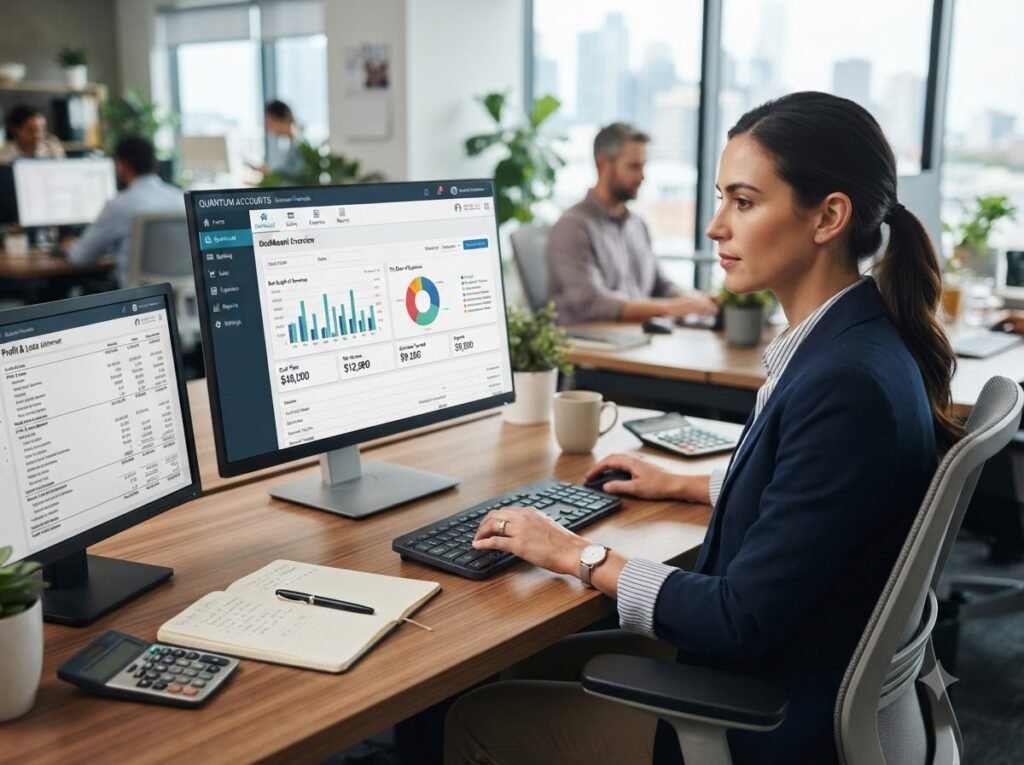
Financial management is another critical area where accounting software can make a significant difference. Small business owners often struggle to obtain a clear overview of their financial situation, which can impede decision-making. Accounting solutions provide dashboards and reporting features that give users a comprehensive view of their income, expenses, and profit margins. This enhanced visibility allows business owners to make informed decisions and strategize effectively for the future.
Despite these advantages, many small businesses encounter specific needs and challenges when it comes to accounting. Factors such as budget constraints, a lack of accounting expertise, and the need for scalable solutions can complicate the adoption of accounting software. Therefore, it is vital for small enterprises to choose software that aligns with their unique requirements, ensuring that they can leverage the full benefits of technology in their financial management practices.
Key Features to Look for in Accounting Software
When selecting accounting software for small enterprises, it is crucial to consider several essential features that can significantly enhance productivity and accuracy in financial management. One of the primary considerations is expense tracking. Effective accounting software should allow business owners to record all expenses seamlessly, categorizing them for easier analysis. This feature ensures that owners can maintain a clear view of their spending and identify areas for potential savings.
In addition to expense tracking, invoicing capabilities are a necessity. The software should facilitate the creation and management of invoices, enabling businesses to bill clients efficiently. Features like customizable invoice templates and automated reminders for overdue payments can help in maintaining cash flow and improving financial health.
Another critical aspect is reporting. Comprehensive reporting tools allow small business owners to generate financial reports such as profit and loss statements, balance sheets, and cash flow analyses. These reports provide valuable insights into the financial status of the business and aid in informed decision-making.
Moreover, tax preparation features should be included in the software. The ideal accounting solution will assist in organizing tax-related information, making it simpler during the tax filing season. Some advanced software may even offer integration with tax platforms, reducing the risk of errors and ensuring compliance.
User-friendliness cannot be overlooked when choosing accounting software. A streamlined interface that does not require extensive accounting knowledge makes it accessible to small business owners. This aspect is vital, especially for those who may not be familiar with complex accounting processes.
Lastly, the capability to integrate with other tools is a significant advantage. Accounting software that can connect with other business applications, such as CRM systems or payment processors, helps create a cohesive business environment. Integration can enhance the overall efficiency of operations by eliminating redundancy and ensuring data consistency.
Top Accounting Software Options for Small Businesses
For small enterprises, selecting the right accounting software is crucial for efficient financial management. With a variety of options available, this section highlights some of the top accounting software solutions tailored for small businesses, focusing on their key features, pricing, and unique advantages.
1. QuickBooks Online
QuickBooks Online is renowned for its user-friendly interface and robust features. It offers comprehensive tools for invoicing, expense tracking, and financial reporting. Pricing starts at $25 per month, scaling up with additional features such as payroll and inventory management. QuickBooks Online’s integration capabilities with various applications make it a versatile choice.
2. FreshBooks
FreshBooks is designed specifically for freelancers and small service-based businesses. Its strengths lie in time tracking, client invoicing, and expense management. Starting at $15 per month, FreshBooks allows users to customize invoices and provides insightful reports on business performance. The simplicity of its interface is a notable benefit for non-accountants.
3. Xero
Xero is an accounting solution that excels in providing a cloud-based platform for small businesses. It offers features such as bank reconciliation, invoice creation, and expense claims. With pricing beginning at $12 per month, Xero stands out for its strong security features and ability to facilitate collaboration between users, accountants, and advisors.
4. Wave Accounting
Wave Accounting is a free accounting software option best suited for freelancers and small businesses looking to manage their finances without the burden of monthly fees. It includes essential features like invoicing, payment processing, and the ability to track expenses. Although it may lack some advanced features found in paid software, its cost-effectiveness is a significant advantage.
5. Zoho Books
Zoho Books is a smart choice for small businesses aiming for comprehensive accounting functionalities. Starting at $15 per month, it offers inventory management, time tracking, and project management features. Its seamless integration with other Zoho applications enhances overall productivity and financial oversight for users.
In conclusion, selecting the right accounting software can significantly impact a small business’s financial management. Each solution listed above provides unique features catering to different business needs, ensuring that small enterprises can find the best fit for their operations.
Comparing Pricing Models and Support Services
When selecting the right accounting software for small enterprises, understanding the pricing models is paramount. Commonly, software solutions offer three primary pricing structures: subscription-based, one-time purchase, and tiered pricing models. Subscription-based models are particularly popular, allowing businesses to pay a monthly or annual fee. This approach provides the advantage of consistent updates and ongoing support without requiring significant upfront costs. Alternatively, one-time purchase models necessitate a larger initial investment but may offer a more straightforward budgetary approach over time, as businesses will own the software outright without ongoing fees.
Tiered pricing models present another interesting option. Typically, these plans provide various levels of service at different price points, catering to the needs of businesses as they grow. For small enterprises, this can be beneficial; they can start with basic features at a lower cost and upgrade as their accounting needs expand.
In addition to pricing, assessing customer support services is essential. Most leading accounting software solutions provide multiple channels for customer assistance, including live chat, phone support, and comprehensive online resources such as tutorials and FAQs. Live chat is particularly advantageous for quick questions and immediate troubleshooting. Phone support offers the added benefit of a more personalized approach, enabling users to discuss complex issues in depth. Furthermore, online resources are invaluable for users who prefer self-service options, allowing them to resolve issues independently or learn how to utilize advanced features of the software.
Each pricing model and support service option has its own advantages and disadvantages, and it is essential for small enterprises to evaluate these aspects against their specific needs and budget constraints. Understanding the interplay between pricing models and customer support will significantly influence the decision-making process as businesses aim to adopt the most suitable accounting software solution for their operations.